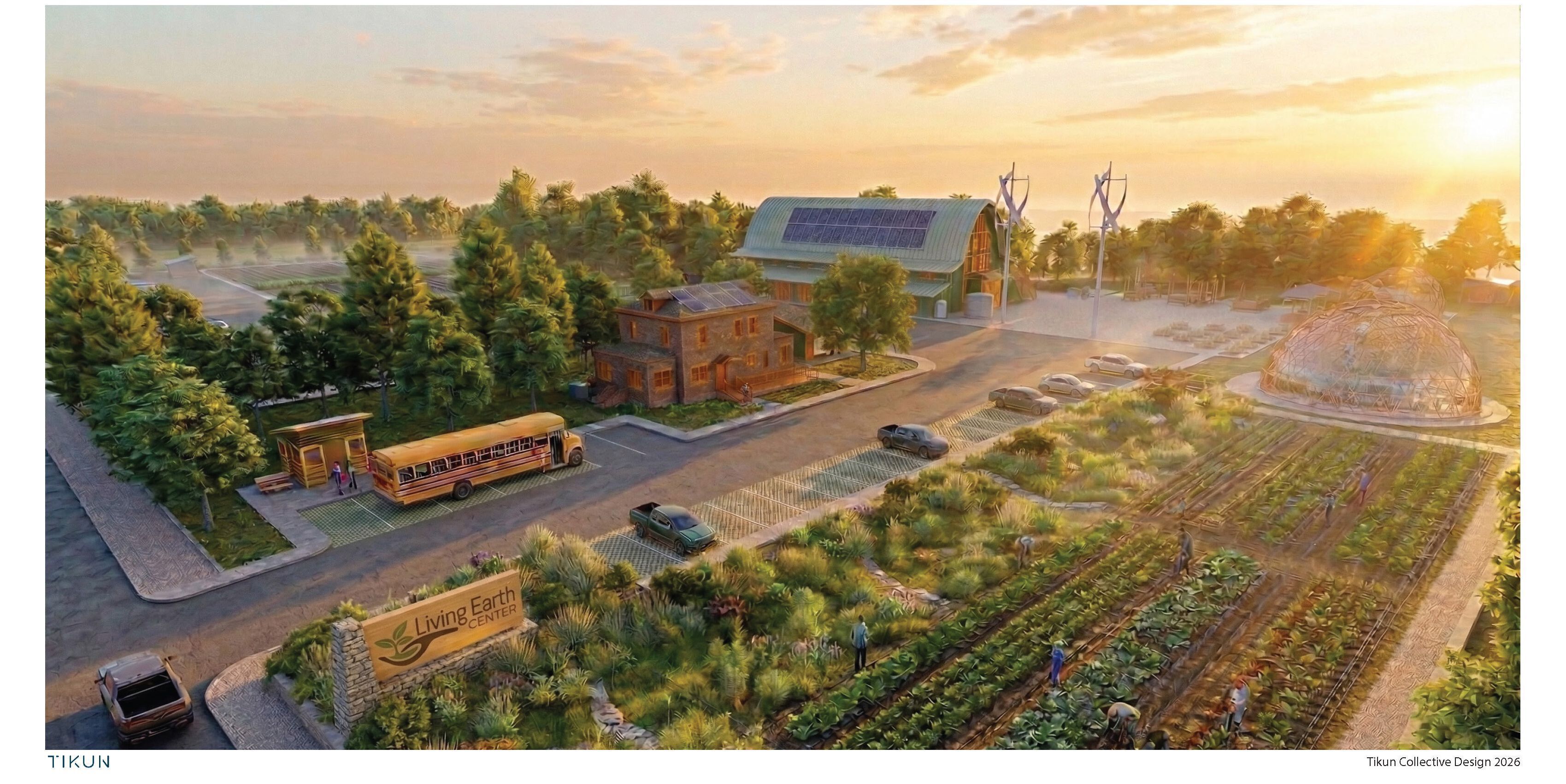
By preserving the rare and historic Pohl Road property, Living Earth Center will honor a legacy of faithful stewardship, expand access to fresh food for those who need it most, protect a thriving urban ecosystem, and create a welcoming gathering place where people of all backgrounds grow, learn, and belong together.
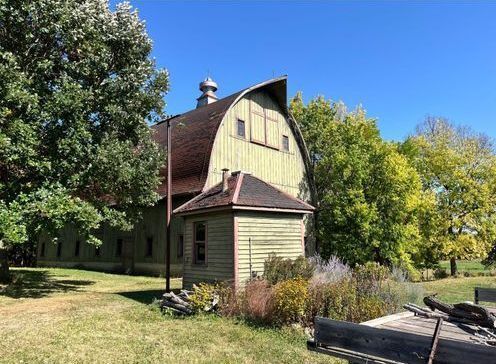
Some places just feel right. The moment we set foot on the Pohl Road property, we knew — this is where the next chapter of Living Earth Center belongs.
A Rare Gem in the Heart of Mankato
Eleven acres of agricultural fields, old-growth forest, and a historic 1940s barn — right in the middle of a growing city. That is what Pohl Road offers, and it is increasingly hard to find. As Mankato expands, green spaces like this disappear. Acquiring this property means protecting it: from development, from loss, and for the community. This is land that can hold gardens and gatherings, food production and environmental education, all at once. It is the kind of place that, once gone, cannot be replaced.
Continuing a Legacy Worth Honoring
Living Earth Center was founded on the mission of the School Sisters of Notre Dame — their deep commitment to education and care for creation. That legacy has always guided us. The Pohl Road property carries its own legacy of thoughtful stewardship and sustainable agriculture, tended with intention for more than 50 years. In purchasing this land, we are not starting over. We are carrying two generations of care forward, honoring what came before while building something new.
Expanding Food Access When It Matters Most
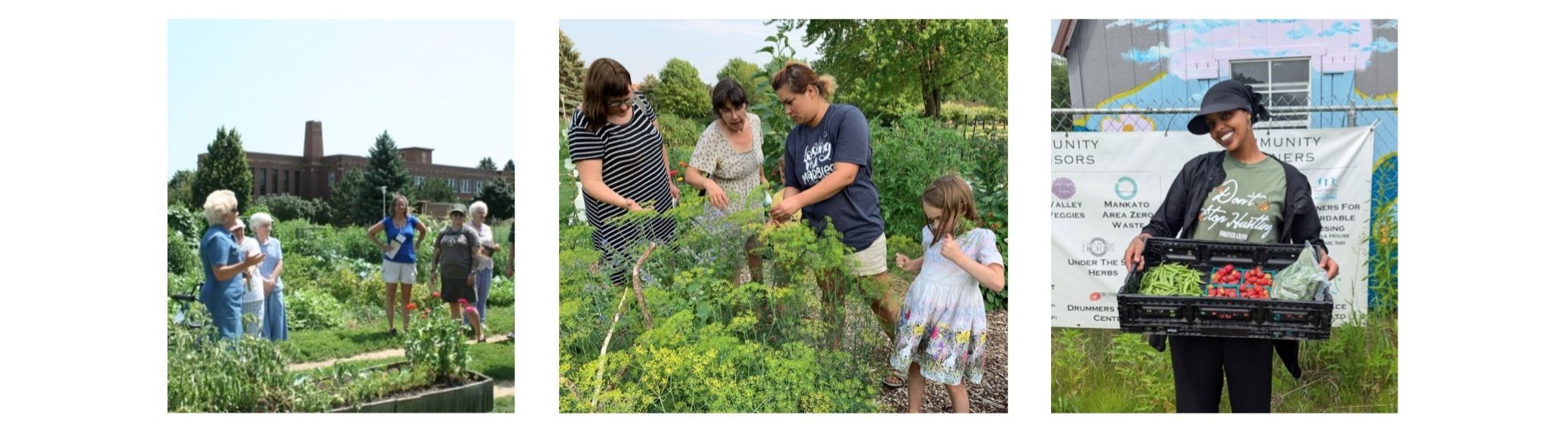
Food insecurity in Minnesota is not slowing down. In 2024, LEC donated 3,000 pounds of fresh produce to local food shelves and community programs — and the need for more has never been greater. Our community garden has always operated on the belief that no one should be turned away for inability to pay, and our scholarship program makes sure of it. Pohl Road will allow us to do more: more garden space, more food preservation, more donations. And because the property is located near campus housing and lower-income neighborhoods, with a major bus route running close by, access will be built into the land itself.
Stewardship of Something Irreplaceable
For over 50 years, this land has been cared for with rare intentionality. Its woodlands, prairie, and wetlands are not just beautiful — they are ecologically vital. They support biodiversity, build climate resilience, and offer something that can’t be manufactured: a living, breathing landscape where people can learn what it means to be in right relationship with the Earth. LEC will continue that stewardship, adding regenerative agriculture, nature trails, and hands-on ecosystem education that make the land not just preserved, but alive with purpose.
A Place Where Community Truly Grows
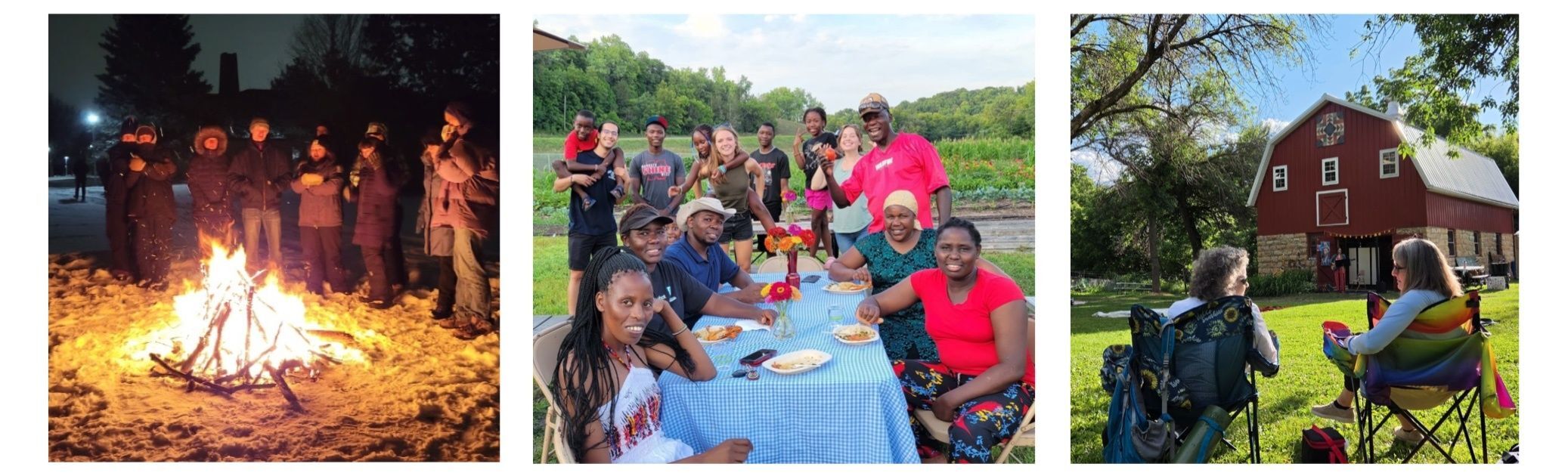
What happens at LEC’s growing spaces goes beyond gardening. People arrive as strangers and leave as neighbors. They find relief, connection, and a sense of belonging that is harder and harder to come by. Research confirms what our gardeners already know: time in nature and community heals. Pohl Road will deepen those relationships, with expanded partnerships with local school districts, childcare providers, and organizations across the region — bringing more people into the fold and more of the community into contact with the land.
A Vibrant Third Space the Region Has Been Missing
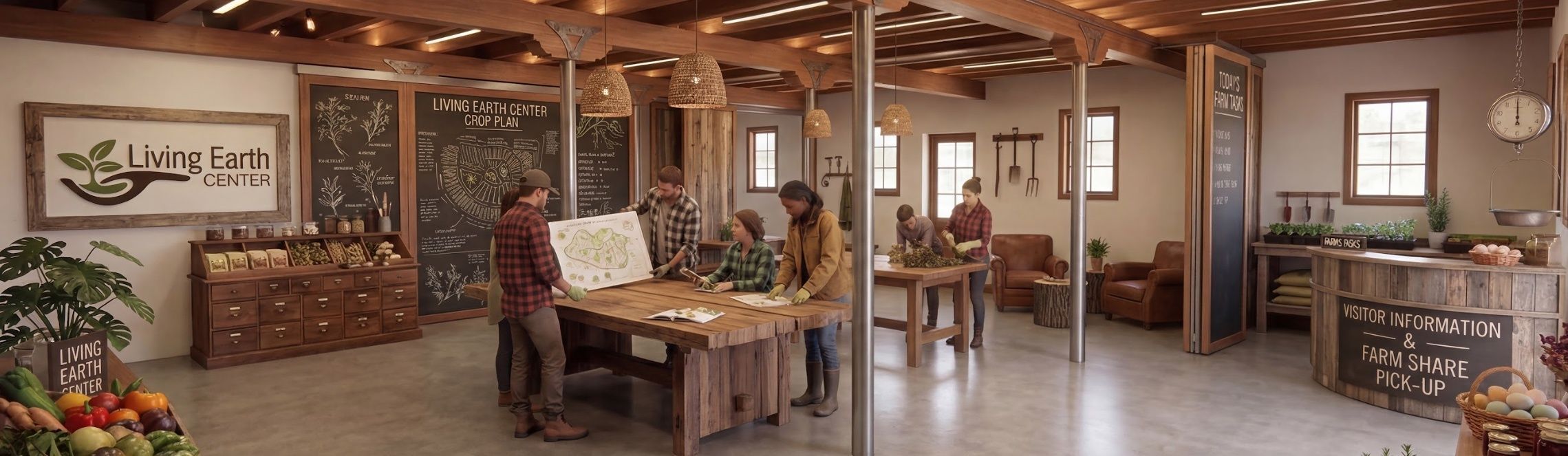
We are building something rare: a true third space. Not home, not work — but a place where neighbors become friends, families reconnect with the land, and people of every background find purpose and belonging. The Living Earth Regenerative Community Campus will be exactly that kind of place — open, welcoming, and genuinely needed. In a world that can feel increasingly divided and disconnected, Pohl Road is our chance to offer something different. A place where anyone can walk in and feel, without question, that they belong.