Growing Need
According to the 2024 Minnesota Food Shelf Visit Report collected by nonprofit The Food Group, Minnesotans made nearly 9 million visits to food shelves in 2024. This is an 18% increase over 2023 and 150% increase over pre-pandemic levels.
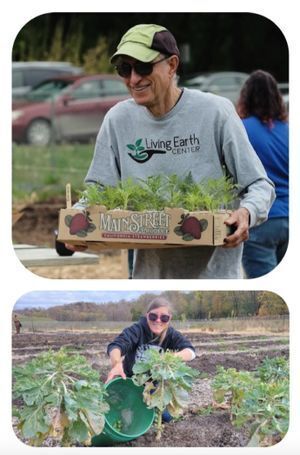
• In 2026, LEC donated 3,000 lbs of fresh organic produce to our community partners working directly with food insecure individuals such as ECHO and St Peter Food Shelves, FOCP Summer Program, and South Central MN Food Recovery.
According to statewide Hunger Survey: 1 in 5 households in Minnesota experienced food insecurityin 2024. Second Harvest Heartland states that18% of the Minnesota population (1.043 million individuals) were served by Minnesota's emergency food system in 2024 and 26% of the Minnesota households with children did not have regular access to the nutrition needed to thrive in 2024. The USDA reports that food prices have increased 23.6% from 2020 to 2024 and prices are predicted to increase another 3.2% in 2025.
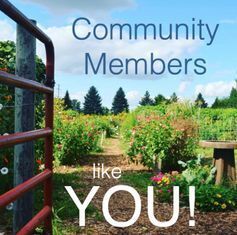
• Our Community Garden has always operated on the philosophy, "No one is turned away for inability to pay,” and we will continue to offer gardening space to any and all who desire it. LEC offers Community Garden Scholarships to anyone unable to pay the registration fee. This helps ensure everyone, regardless of socioeconomic status, has access to a place to grow their own food, which helps to ease the burden of increasing grocery prices.
• This past summer, one of the scholarship recipients shared with our Executive Director how much it meant to his family to be able to grow their own food. He shared that with the current grocery prices, his family was unable to purchase fresh produce, and how empowering it was that they were now able to grow their own vegetables
Growing Space
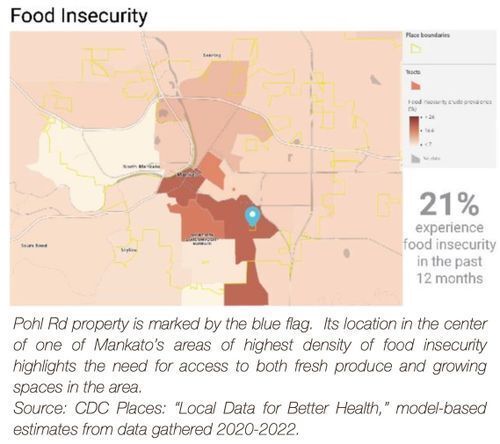
Acquiring the Pohl Rd property allows LEC to expand capacity to provide land for growing space and for food donation. This would allow for an increase the amount of food we donate annually to community partners, as well as provide more space for community members to grow their own food.
Additionally, given that its location is in close proximity to both low-income and campus housing, as well as being located on a major bus route, the Pohl Rd property helps reduce barriers for communities facing food insecurity to access growing spaces.
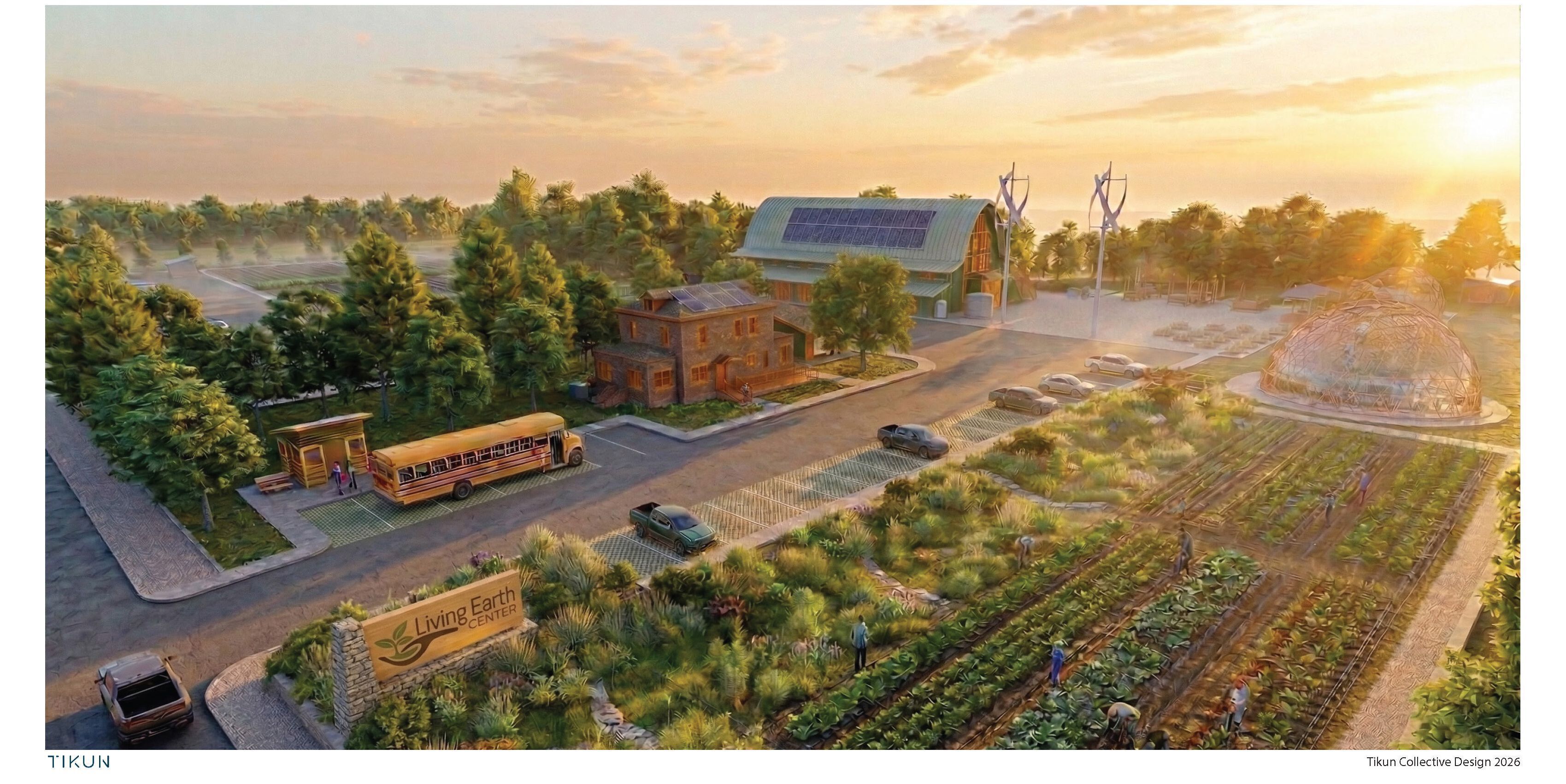
Given its location, converting the property from private residence to a Living Earth Center Campus would provide these communities with interactive educational green spaces. Development plans involves a free food forest, walking trails, and a natural playground.
LEC’s ultimate goal with the property is to create a space where all, regardless of their income level or background, can feel welcome to explore, learn, and grow, having agency over their food choices with access to fresh organic produce.
LEC believes that food security is not just about providing food, but providing a connection to healthy options, culturally relevant crops, and a relationship to the land itself. We believe that the Pohl Rd property is the optimal place for LEC to grow and thrive.